A retrospective & analysis, part 1.
When I consume media, play a game, read a book, watch a movie – whatever – I always ultimately find myself trying to connect to the creator(s). Their thoughts, their feelings, their intentions, the hows and whys behind the work. Not so much the reason per se, but rather the path of their journey and what ultimately led us to its creation. The interesting thing with manga is that so much of the serialization process is trial by fire that often we’re left with a sort of public record of someone’s sum creative output, bundled into volumes and magazines. It’s all there if you want to look for it.
With My Hero Academia’s final anime season wrapping up, I felt a bit compelled to explore Horikoshi’s earlier works. See, without spoiling anything, my reaction to the end of that series was just that – my own. I had long since unplugged from common spaces where manga was discussed (I find most of them honestly miserable!) and as such I didn’t know I was supposed to be feeling any certain way about it, but anytime I’ve seen it discussed, there’s an air of negativity to it. To me, the ending was consistent to the message and very core of the series and (as I think we’ll find) it was & is consistent to Horikoshi and his prior works in general. I felt that rather strongly even with My Hero Academia standing on its own merits, and I felt it even more so after I read this first work of his.
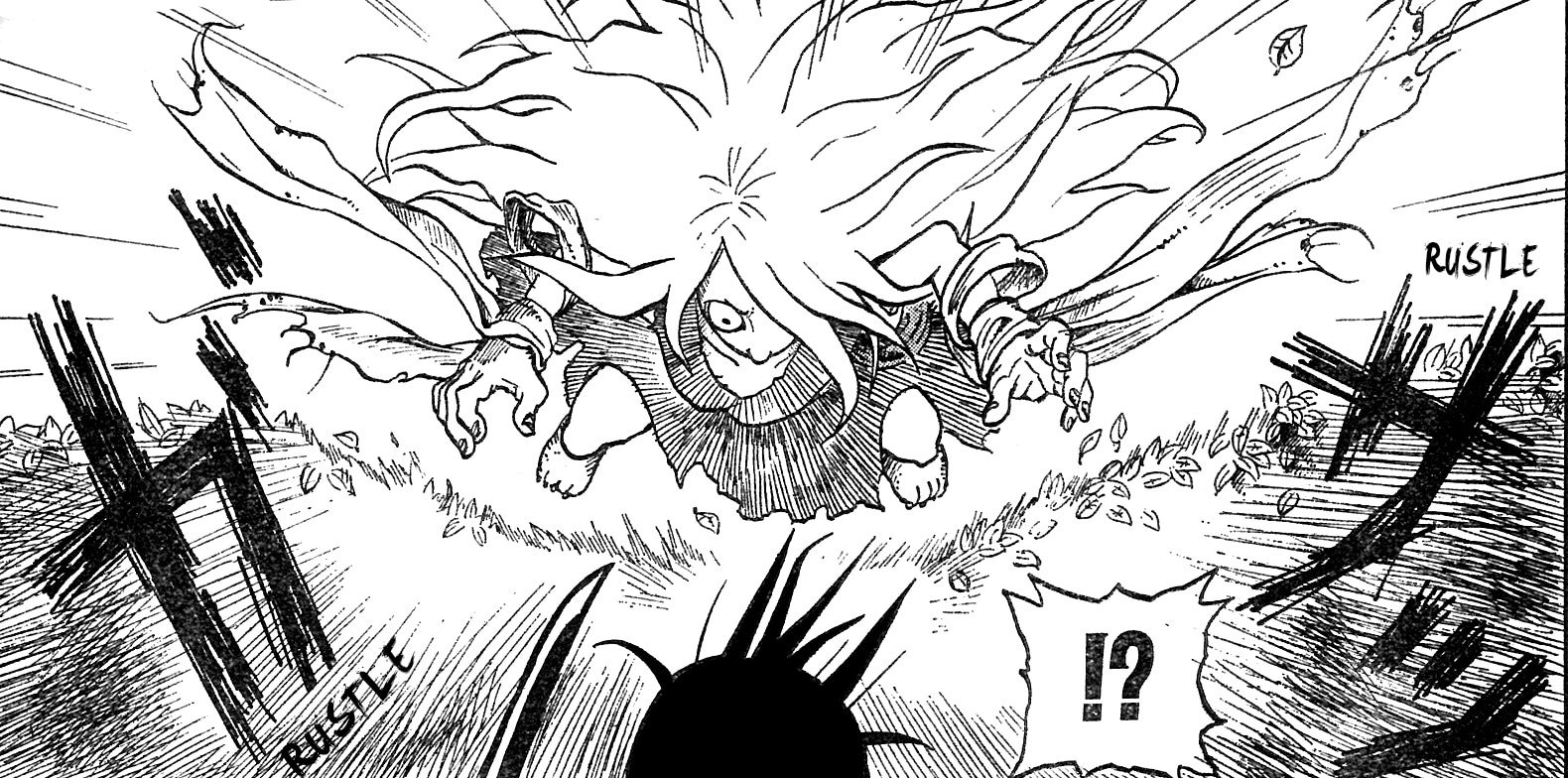
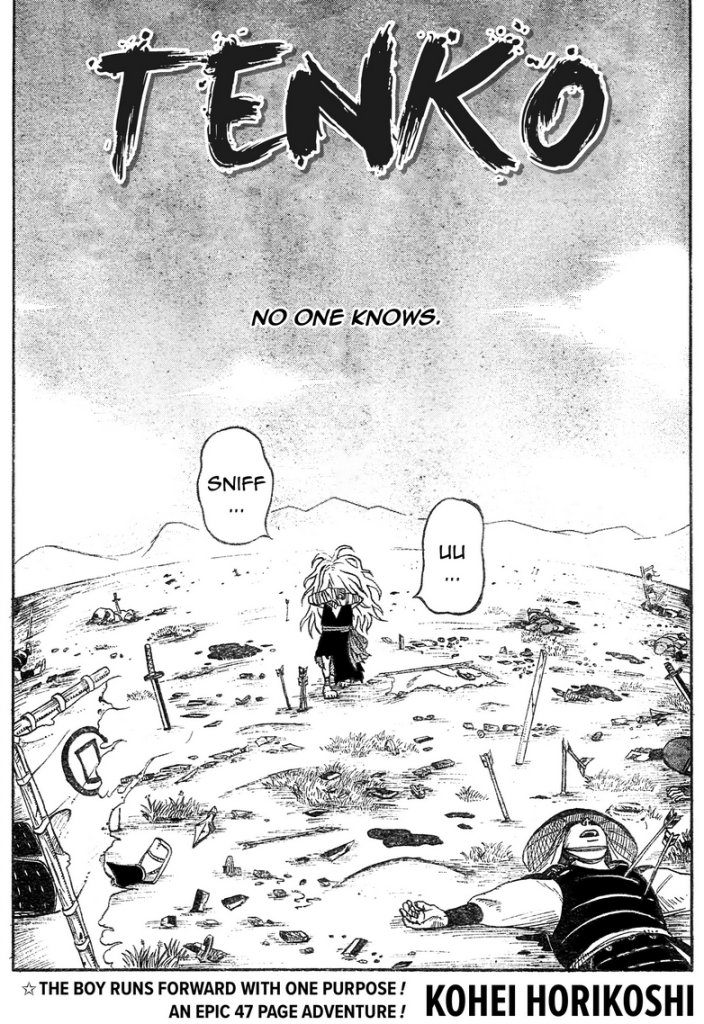
If you went back to 2007 and picked up the summer issue of Akamaru Jump, you would come across a one-shot by up-and-coming mangaka and college student Kohei Horikoshi. It’s set in samurai-era Japan, and follows a young boy with long, white hair and rough, cracking skin. He has the power to crumble anything he touches with both hands into dust, but he’s sworn to never use it on humans. The boy openly declares to hate the world, particularly warriors, and sets out on a path to destroy every tool of war. Both he and the work share a name: Tenko.
The deuteragonist of the tale is a young woman named Hana who aspires to be a swordswoman in a world of swordsmen. Hana is physically weak, and often discouraged by the men of the village, but still practices seriously all the same. Her motivation? She was once saved by a swordsman. Impressed by his strength, she asked if she could learn to be like him. He simply told her she could, and that was all she needed.
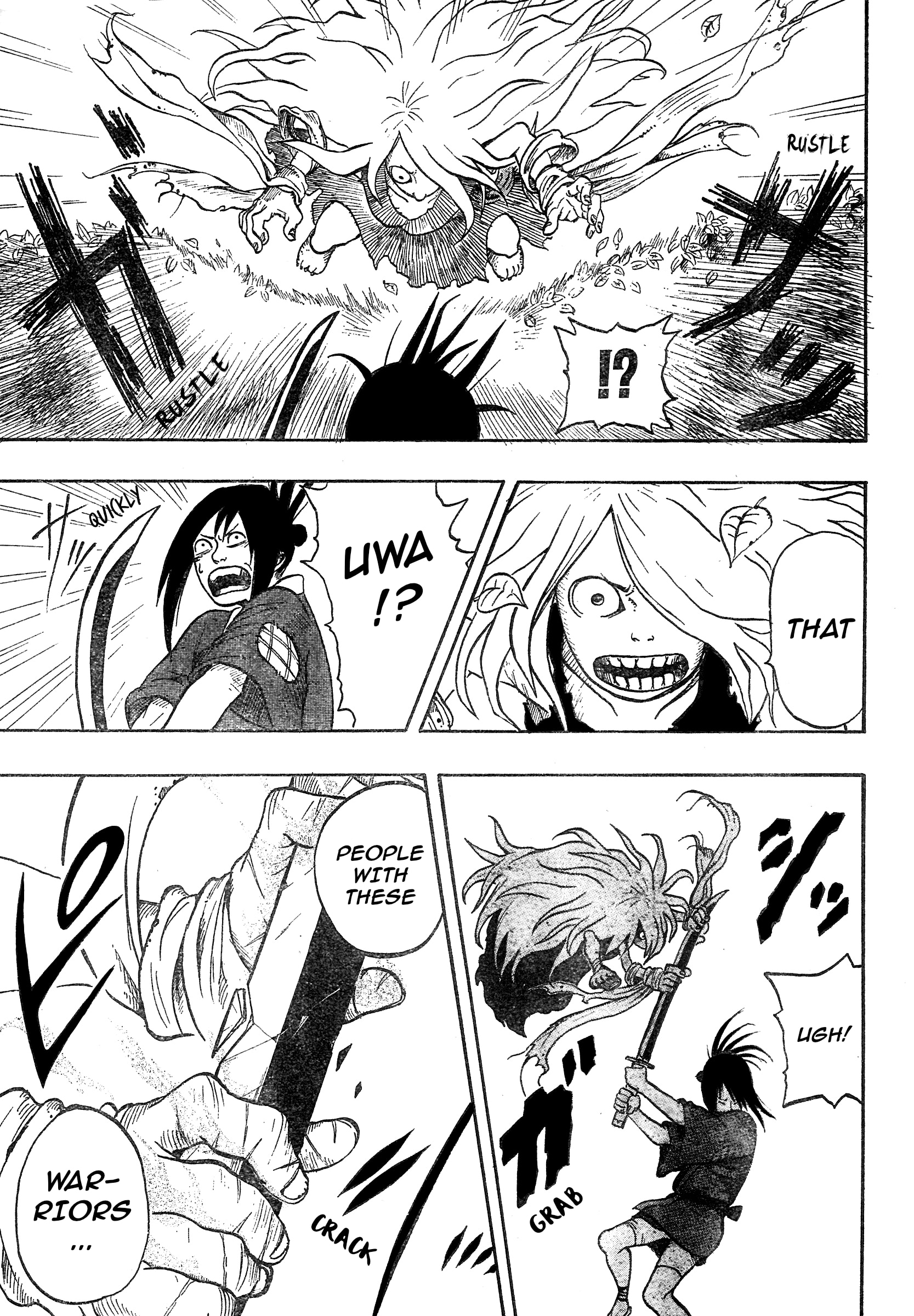
Anyone who’s so much as read a chapter of My Hero Academia could point out the parallels and direct references here. Consider the whole context, though, and that’s what really makes it interesting to me. This is 2007, Horikoshi is college aged, and this work is raw. It’s full of ambitious pages with panels full of decisions that betray someone who doesn’t really have a great toolkit for dealing with presentation yet. If I showed you only the art and paneling, I doubt even the most discerning eye could call it out as belonging to My Hero Academia’s Kohei Horikoshi without knowing this work exists in advance.
If so much of this work is so raw, so unfinished, so amateur, then why are the clear (albeit, unfinished) concepts for Shigaraki and Deku front and center? See, that’s interesting to me. And even setting aside that specific parallel, for a story so rough around the edges and through the middle, it has that same trademark gentle core as the rest of his works. This is an empathetic, compassionate work, despite and in spite of it’s violent posturing.
When I first learned of his previous works and one-shots, I was mainly excited to see where Horikoshi came from, what his works looked like before he had the full weight of Shueisha and their supporting staff behind him. I was expecting to see something different, maybe even wildly so, but instead I found determined consistency, and evidence of an artistic process that spans the better part of a lifetime.
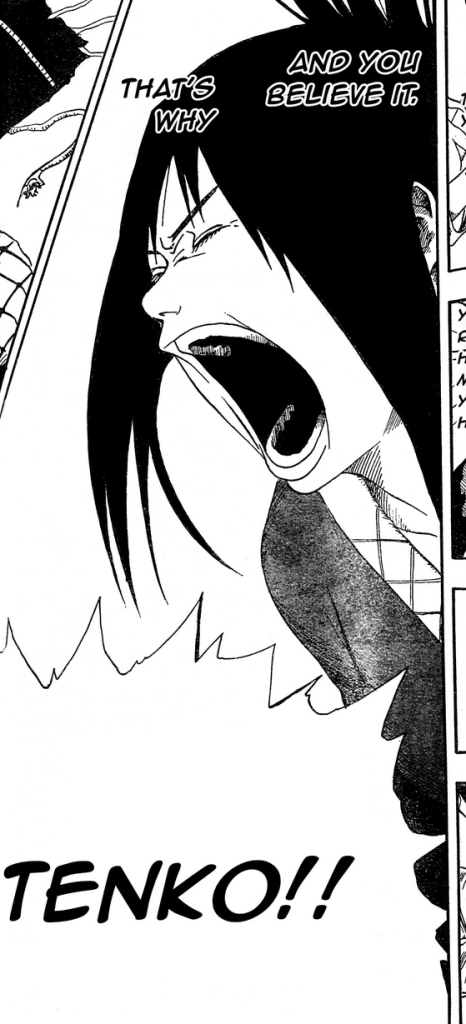
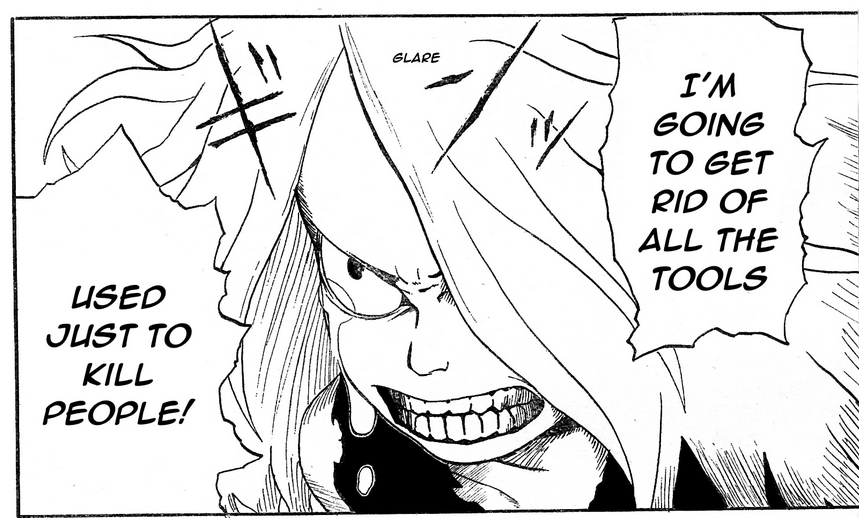
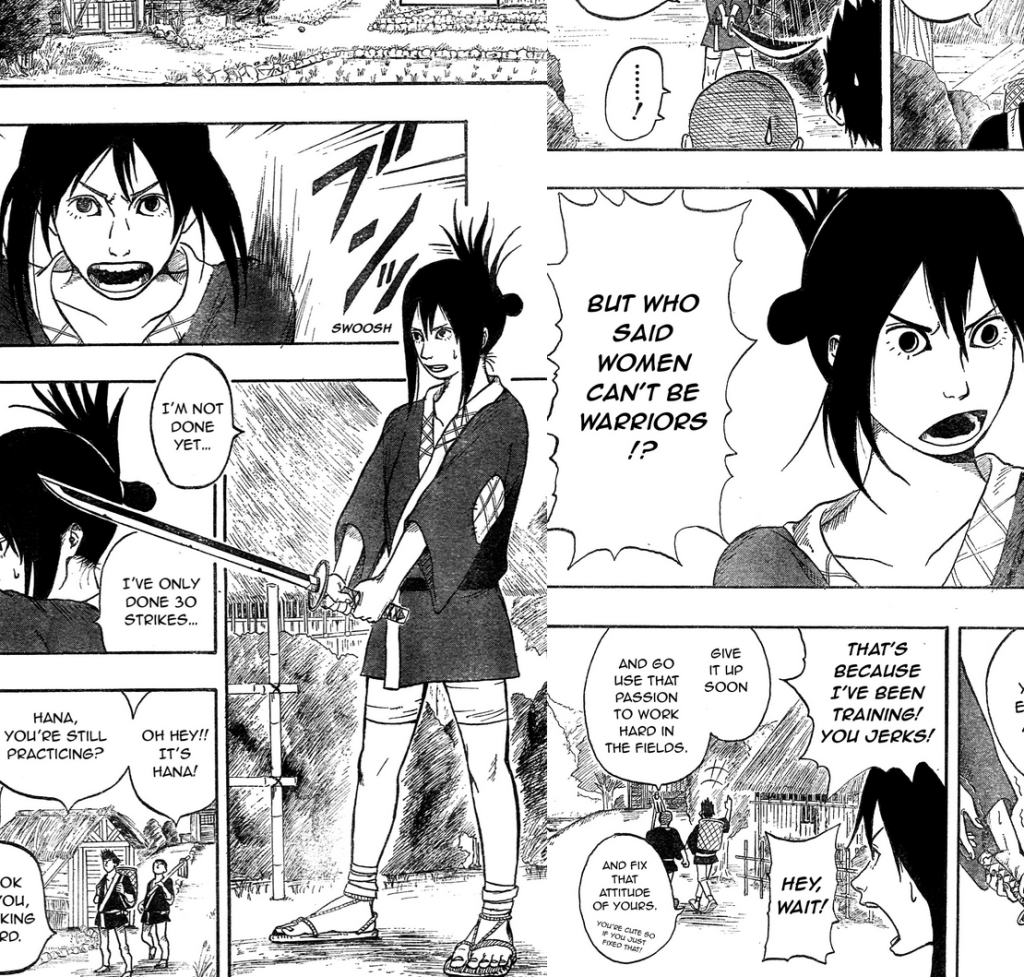
Growing up, I was always the one for daydreaming and playing pretend. As I aged that turned more towards… actual creative output. I’d write stories in my notebooks or make AMVs, put together entire little fictional worlds to play in and imagine. They were always mine, and never intended for anyone else, but all the same they were characters and concepts that lived and grew with me over time, and always influenced by other media I had consumed. I think that’s pretty normal, all told, but maybe it isn’t? I don’t know if everyone carries little stories like this with them, or even just the concepts, but some of us definitely do – Horikoshi for sure does.
Tenko might seem like a prototype, like testing the waters, but this is a one-shot that predates My Hero Academia by nearly a decade. To me that’s indicative of something more. These are characters and set pieces that Horikoshi has held with him for most of his life, concepts and scenarios grown from seeds planted years before they’d ever bear any fruit. More importantly to me, these are ideas that might have stayed locked away in his head, like so many do, if he had given up at any point instead of pushing them home.
In part two we’ll talk about his next one shot, fittingly titled My Hero.